
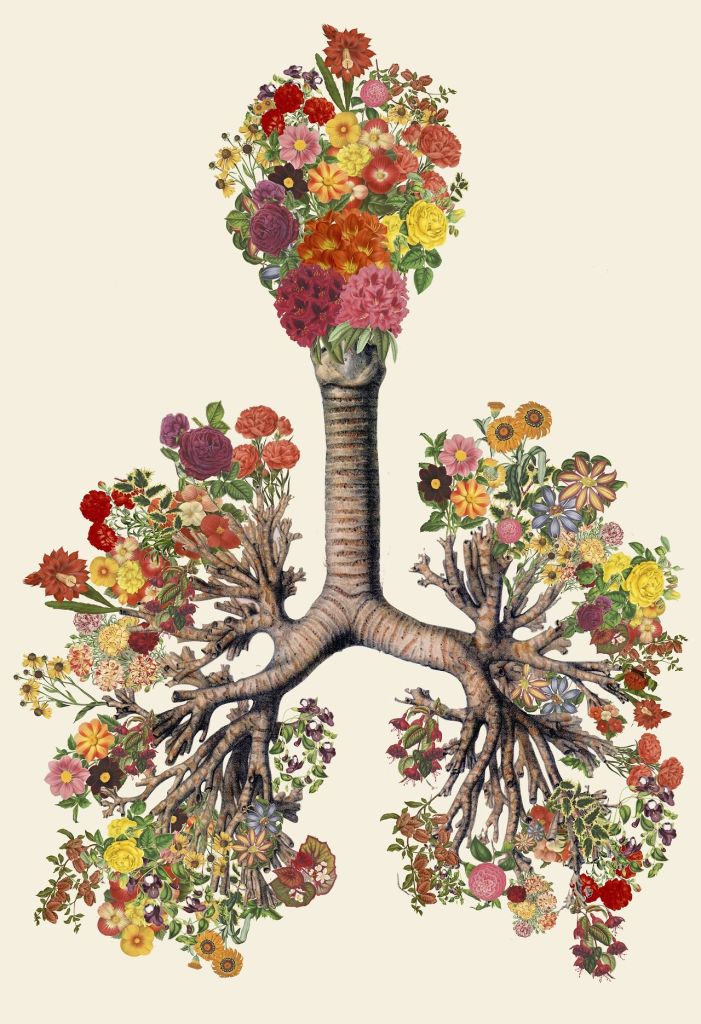
The Importance of Oxygen and Breathing
To live, humans need oxygen. Oxygen is supplied in the lungs, where it binds to hemoglobin, a protein found in red blood cells. Through blood circulation, oxygen is then distributed to all the body’s cells, enabling muscle movement and vital functions such as walking and breathing.
The lungs also perform another essential function: they eliminate carbon dioxide, a waste product of cellular metabolism. With each breath, the pulmonary alveoli absorb oxygen present in the air and release excess carbon dioxide.
As vital organs, the lungs deserve attention and care. It’s important to keep them free from toxins, mucus, and harmful substances, especially if exposed to smoke or pollution.
The Intestine and Lung Health
Often, we don’t consider that lung health is closely linked to intestinal health. A clean intestine helps the body eliminate toxins and waste substances, also facilitating lung cleansing. For this reason, a balanced diet and, when necessary, the use of enemas with warm water and olive or sunflower oil can support the detoxification process.
A simple gesture that aids purification is drinking warm water in the morning and throughout the day: it helps dissolve toxins, stimulates organ functionality, and promotes mucus elimination.
Foods to Avoid
Some foods can hinder lung detoxification:
• Dairy products and sugars: Dairy products are slowly assimilated and can promote mucus production. Sugars, on the other hand, increase inflammation and hinder the purification process.
• Refined flours: They promote mucus production and can interfere with respiratory health.
Foods That Purify and Support the Lungs
Garlic: The Natural Remedy Par Excellence
Garlic is one of the best allies for lung health. It contains allicin, a sulfur compound with potent antibacterial, antiviral, and anti-inflammatory properties. It’s also rich in vitamins C and B, proteins, and minerals such as iron, calcium, copper, and potassium.
Raw garlic is particularly effective, as cooking destroys allicin. It can be consumed by ingesting 2 crushed raw cloves inside a bit of bread crumb or by adding it to meals. The recommended dose is about 4 grams per day.
After consuming garlic, there may be an increase in mucus production: this is a positive sign, indicating that the cleaning process is underway.
Garlic and Thyme: A Detox Remedy
Thyme contains thymol, a powerful natural antiseptic for the respiratory tract. An effective remedy is to prepare a paste of garlic and thyme macerated in olive oil:
Ingredients:
• 10 garlic cloves
• 3 sprigs of fresh thyme
• Extra virgin olive oil
Preparation:
1. Crush the garlic in a mortar until obtaining a paste.
2. Add the thyme leaves and mix.
3. Transfer to a container and cover with olive oil.
4. Let it macerate overnight.
How to take it:
Take a tablespoon of this preparation in the morning on an empty stomach for two weeks. Improvements in breathing and general well-being will be noticed.
Syrup of Ginger, Garlic, Turmeric, and Onion
This remedy is particularly useful for those who have quit smoking, as it helps eliminate toxins accumulated in the lungs.
Ingredients:
• 1 kg of onions
• 2 teaspoons of turmeric + a drizzle of almond oil (helps the absorption of curcumin)
• 3 cm of fresh ginger root
• 1 liter of water
• 400 g of brown sugar (or 2-3 tablespoons of honey)
• 6 garlic cloves
Preparation:
1. Boil the water with the sugar (if using honey, add it at the end).
2. Add chopped onion, grated ginger, turmeric, almond oil, and crushed garlic.
3. Cook over low heat until the liquid is reduced by half.
4. Strain and store in glass.
How to take it:
• 2 tablespoons in the morning on an empty stomach and 2 tablespoons in the afternoon or after dinner, for two weeks.
• It can be diluted with warm water.
Other Lung-Friendly Foods
• Carrots: Rich in beta-carotene and vitamin C, they improve respiratory function.
• Fish and nuts: Sources of Omega-3 and vitamin D, they reduce lung inflammation.
• Cabbage: Helps eliminate toxins and contains powerful antioxidants.
• Berries: Rich in anthocyanins and resveratrol, they protect against oxidative damage.
• Lemon, grapefruit, kiwi, lychee, parsley, and broccoli: Rich in vitamin C, essential for iron absorption and improving oxygen transport in the blood.
Herbs and Essential Oils for Lung Health
• Thyme: Natural antiseptic for the respiratory tract.
• Eucalyptus: Expectorant and decongestant.
• Peppermint: Relaxes the smooth muscles of the bronchi, facilitating breathing.
• Oregano: Decongestant and antihistamine.
• Licorice: Soothing and anti-inflammatory.
These herbs can be used in infusions, steam inhalations, or as essential oils.
Other measures for healthy lungs
• Physical exercise: Regular aerobic activity, such as brisk walking, improves lung capacity without stressing joints and the spine.
• Warm baths with Epsom salts: They promote the elimination of toxins through the skin.
• Mindful breathing: Deep breathing techniques help improve lung function and tissue oxygenation.
Lungs and emotional well-being
According to traditional Chinese medicine, the lungs are linked to sadness and worries. Taking care of their health can also lead to profound emotional rebalancing.
If you’re interested in learning more about nutrition, lifestyle and managing emotions to improve lung health, we can discuss it further…
Happy breathing, safe journey!
 How many times have we told ourselves or heard someone say, “This is just how I am”? How often have we met someone who declares, “I can’t help it, that’s just the way I’m made”?
 Yoga Med Bianca